THE TEETH
Each one fits the next
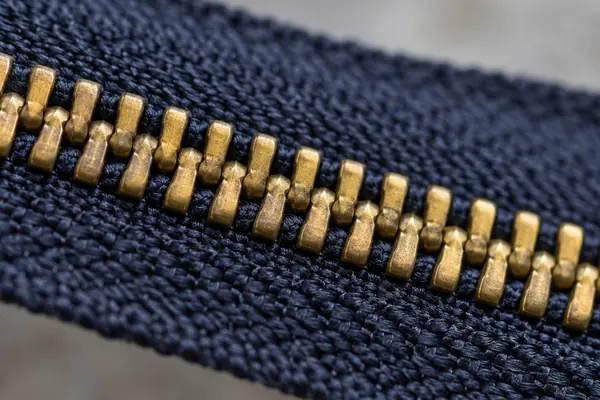
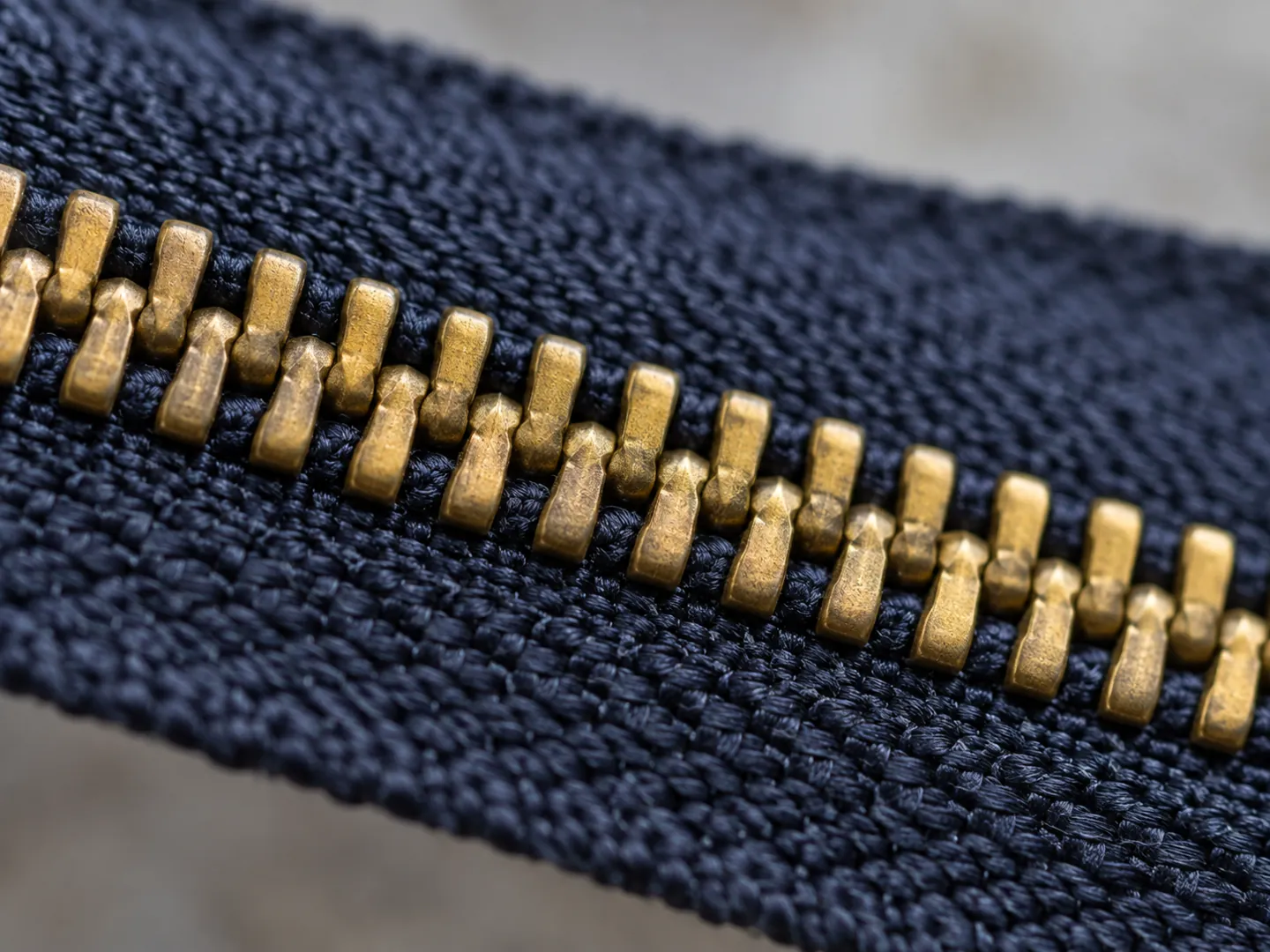
In the 1917 patent the locking members are alike on both sides and alternate, so the outside of one nests in the recess of its neighbour.
Compare the zips doodlezip
HOW EVERYDAY THINGS WORK
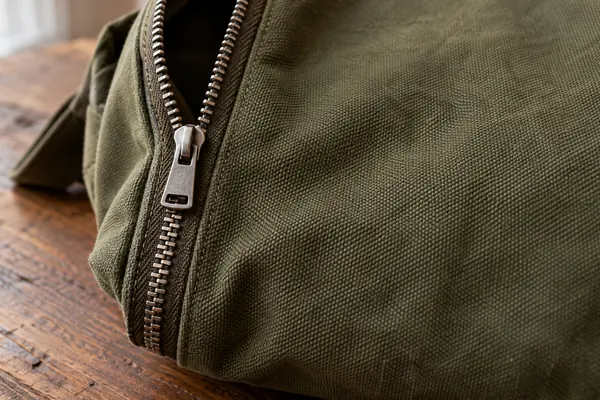
You probably close a zip without ever looking at how it works.
Compare the zips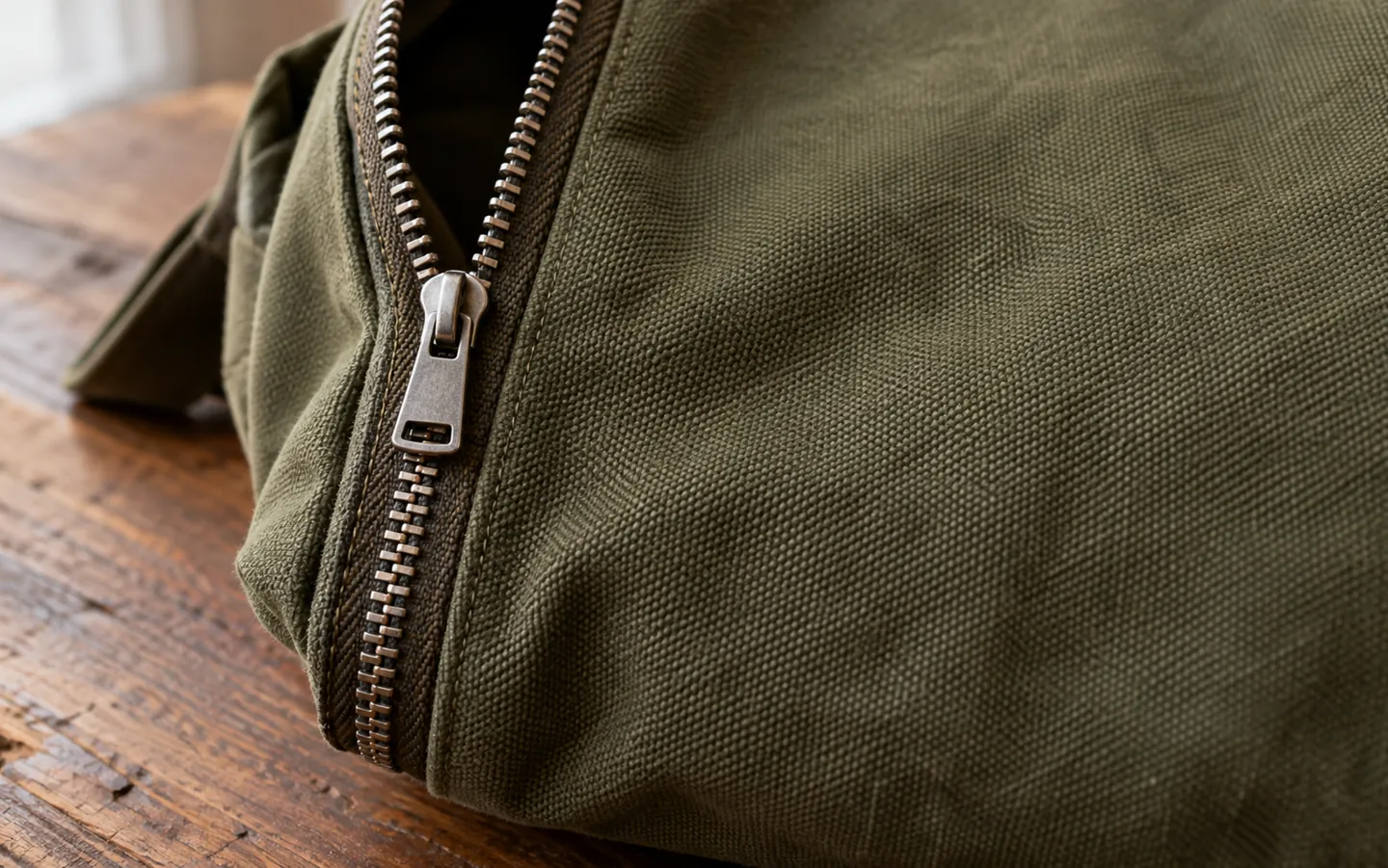
PATENTED 1917still the same idea
Inside is a neat trick: identical teeth that nest into each other, and a slider that pushes them together one way and prises them apart the other. Getting there took decades of jammed prototypes.
At a glance
4 → 11
Teeth per inch in the improved design
The Fashion History Museum says the improved design raised the number of teeth from four to eleven per inch. The Origins history calls it a smaller, simpler, more reliable fastener.
TEETH · FASHION HISTORY MUSEUM
24 years
From the clasp locker to the separable fastener
The clasp locker patent was granted on 29 August 1893 and the separable fastener patent on 20 March 1917, nearly 24 years later.
PATENTS · US PATENT OFFICE
TWO NUMBERS WORTH KNOWING
One figure on the design change that made it work,
one on how long that took.
The first customer for the improved fastener was the US Army, which used it on clothing and equipment in the First World War. By the late 1920s it was a common fastener on clothing.
A QUICK HISTORY CHECK
Pick a stage in the zip's story to see what it was and how it worked. The bar shows how much it resembled the zip on your coat.
Based on the 1893 and 1917 US patents and published histories of the zip.
THE SHORT ANSWER
Every tooth is the same shape.
The slider decides whether they meet or part.
THE TEETH
In the 1917 patent the locking members are alike on both sides and alternate, so the outside of one nests in the recess of its neighbour.
Compare the zipsTHE SLIDER
The slider has Y-shaped channels that bring the two tapes together. Moving it one way locks the teeth; the opposite way unlocks them.
Look inside oneTHE NAME
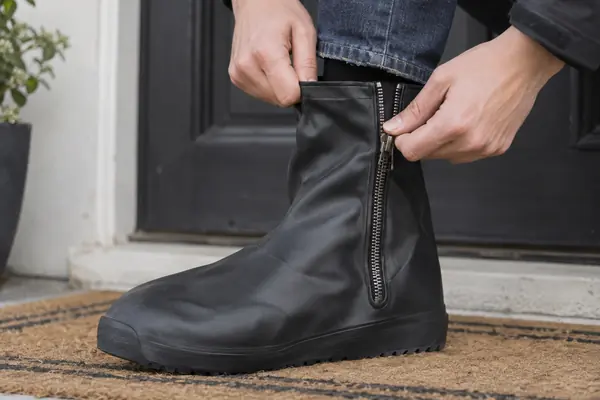
The fastener did not start out as a zip. In the 1920s the B. F. Goodrich Company used it on rubber galoshes and the name zipper stuck.
See the numbers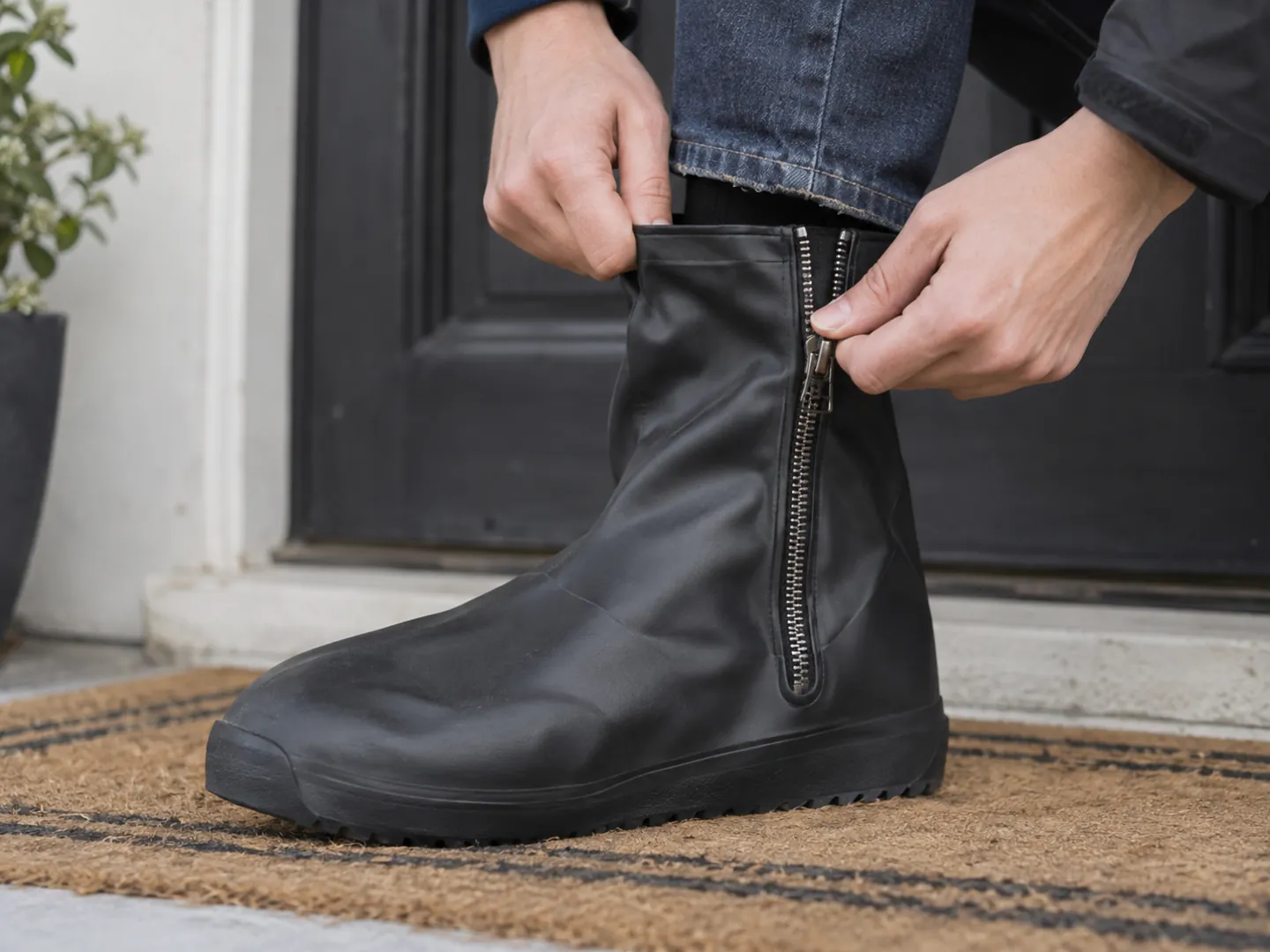
THREE THINGS TO SPOT
Grab the nearest jacket or bag. Everything in the 1917 patent is still there to see.
They are the same shape. Each one's bump sits in the hollow of the tooth beside it on the other tape.
Look at the end: the channel splits like a letter Y. That is where the two tapes are steered together or apart.
One direction presses the teeth into each other; the other prises them apart. The slider is doing all the work.
MADE IN BRITAIN
In 1925 a new private company, Lightning Fasteners, was formed in Birmingham to take over the zip fastener business of the Kynoch company. It became part of ICI in 1926.
The Science Museum Group collection holds one of its products: a six-inch zip with metal teeth on pink material for a dress, made in Birmingham in 1972.
Questions
No single person. A Chicago inventor patented a clasp locker for shoes in 1893, and a Swedish-American engineer patented the separable fastener with nesting teeth, filed in 1914 and granted in 1917.
The teeth on both tapes are the same shape and alternate, so each one nests in the recess of the next. The slider's Y-shaped channel presses them together when it moves one way and separates them the other way.
The B. F. Goodrich Company used the fastener on rubber galoshes in the 1920s and called it the zipper, after the sound it makes. Sources give the year as 1923 or 1924.
The 1893 patent describes a shoe fastener and also mentions uses such as mail bags and belts. The improved fastener's first customer was the US Army in the First World War.
In the 1920s, and by the late 1920s it was a common fastener on clothing. Fashion took longer: zips were used more often in dresses by the late 1930s.
Sources
ABOUT THIS NAME
doodlezip.com is part of the DoodleSale portfolio. It isn't in an auction right now, but you can ask about leasing it.